


More Information About The Farms
I got thinking, after a discussion of the subject with my wife, about how more background information might be needed to properly set forth the surroundings and the buildings in which much of my time as a youth was spent. I've already given a description of the farms areas as best I could, without being too boring I hope.
I feel, however, more detail is needed as to the type of equipment and workspaces that were involved in maintaining the farm equipment in proper working order. For those of you not intimately familiar with farm life, the importance of constantly available farm machinery may not be readily apparent. Let me use a bad analogy here if I may attempt it; not having a ready to use hay "tender" to turn the hay from the previous evening's cutting, is like having a five gallon container of ice cream and only room in the freezer for one quart. By the time you make room in the freezer, something's going to be lost, either ice cream or frozen goods, maybe both. If you can't turn the hay to the sun and dry the "underside" of the hay rows, you can't bale it, as it'd still be wet. At any rate, as poor as the analogy may be, you should get the picture I hope. Not a good situation.
At the time I was growing up, money for repairs, parts, new equipment, etc was not
only scarce, it was usually non-existant. Yes, fuel was cheap, with gas and diesel in the twenty-five cents a gallon range. Many, many things cost much less then, including the milk, butter, eggs, and produce we sold to raise money. As an example, our milk sold higher than the milk from more commercial sources, yet was only twenty-three cents a quart delivered daily. At that rate it took over four quarts of delivered milk to raise a dollar. So money was dear, as not even three-fourths of that was profit. R told me it took delivery of three quarts of milk to be able to profit partially from the sale of the fourth. For this reason, farmers at that time (and many still today) had to be as much repairman, animal doctor, inventor, and many other trades as farmer, in order to make a living, or at least not lose too much money each year. Small farmers operated in this frugal way so as to compete with larger, better funded farm operations. Today it's even worse financially.
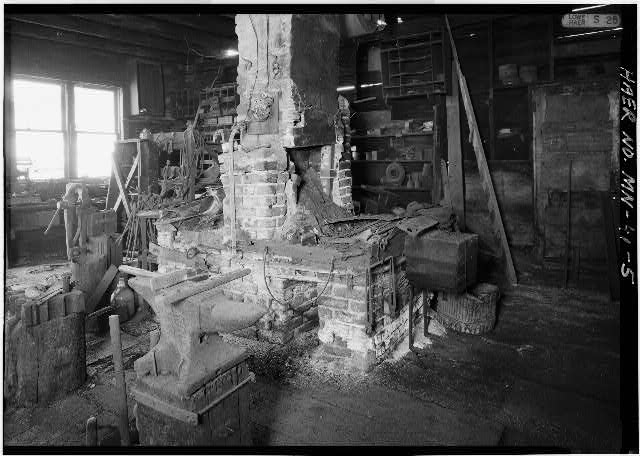
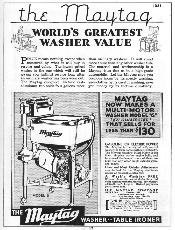
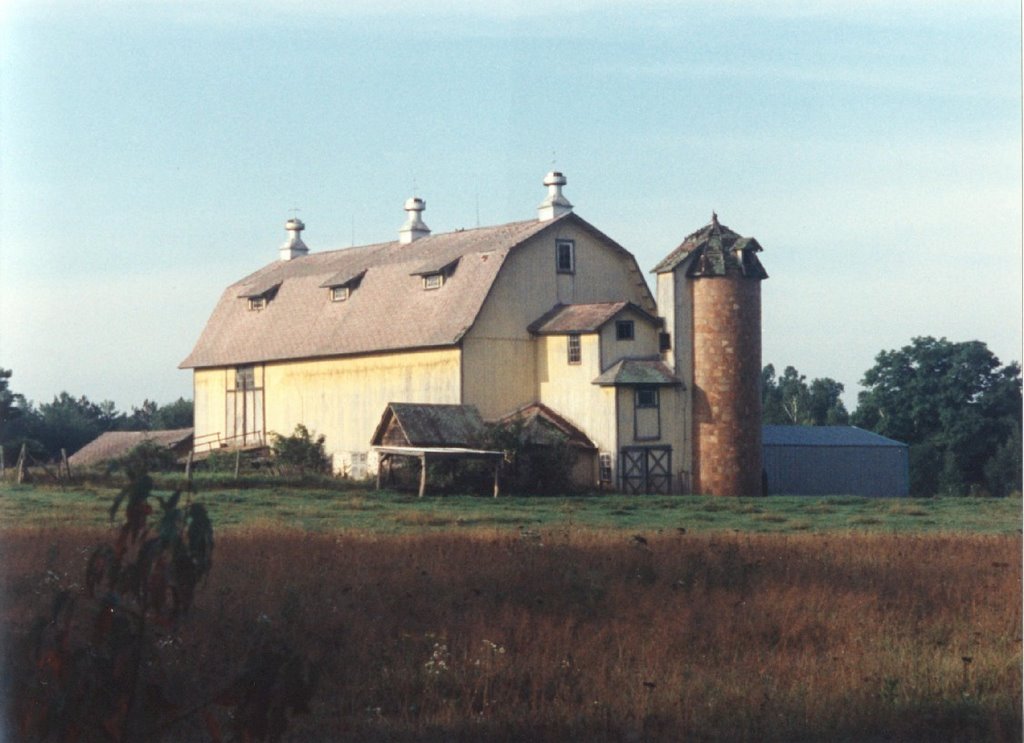
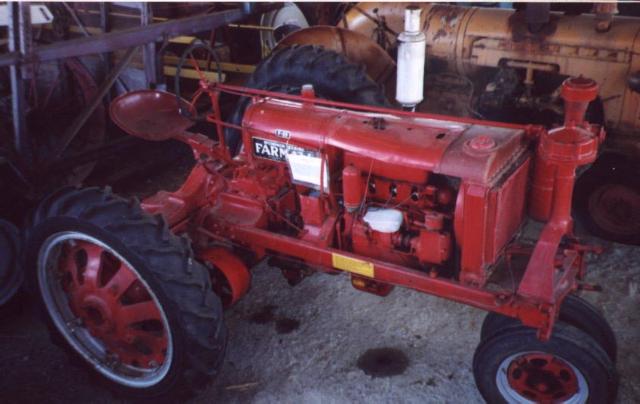
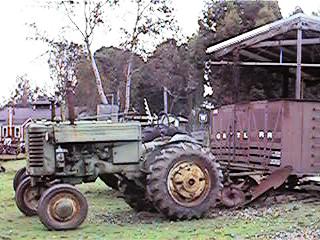
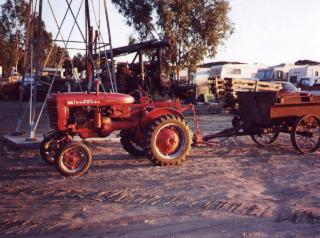
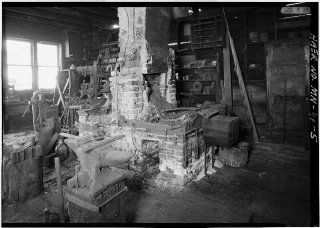
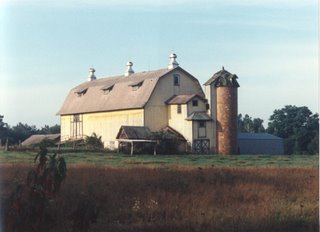
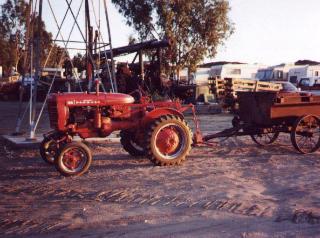
The photos above aren't the equipment we actually had, or the barn, etc. They are in all ways very close to what we had, or even identical, as in the case of the tractors. I'll be showing more photos with each post from now on if possible, and they'll be the same, similar but not exact in most cases. The top photos are of a VERY similar blacksmith shop as was situated at the far end of the equipment shed. It was an old building close to, but not part of, the equipment shed. The next is an example of the small, gasoline engine powered washing machine my aunt used, she actually had two of them, both very old. The barn complex I chose mostly for the fact it's the same style as the milk/hay barn. The attached buildings such as the silo are similar but smaller. We also had a double tower silo. We also had far more additional buildings. Then there's an example of the type of small, one or two cylinder, gas engines we used to power the baler, hay bale conveyer, etc. We also had a few very old stationary engines that powered field water pumps, the generator, and the welder/generator units, and could be relocated, with a lot of effort, to where they were needed. Today's farmer is aided by the newer "all-in-one" tractor systems, portable mini-generators and pumps, and most of all electricity.
Let me wander into the area of NO electricity for a bit. The reason we had no power for so long is complicated. Firstly, when I originally went to the farm to stay, all that was available was 25hz service, which wasn't adequate to run a lot of the newer equipment of the time. Not having "older" electric machinery, R decided to wait a few years until the local power provider switched over to 60hz and get newer
farm aids then. Secondly, where the farm was situated was quite a distance from the nearest user of electric power. That would have been the service station down at the intersection, about five miles east. This meant the installation of several transformers, power poles, and transmission lines would be required, at a cost borne very unevenly between the power company and user(s). As ourselves, F, and the farm up the road a piece would be the only customers for miles around, this would have been a big investment at that time. This was further complicated by the fact that the third farm involved was owned by an elderly man, whose sons had moved "away" in search of higher paying jobs and a "better life" for their families. Looking back, I wonder if their's was a "better" life or not. We were pretty poor most times, we just didn't know it, as we always had homes, food, heat, and a full life. At any rate, he was loathe to invest in any "new-generation deviltry" (his actual words as I heard him tell R & F no)that wasn't going to improve his lot in life any, as he was retiring & selling his livestock. This put the onus on R, F, and my Dad, who was also hesitant. The decision was finally made to wait for the "new" 60hz service and save as much as possible until then in order not to go into debt to install it. Debt was highly frowned upon by many of those who survived the depression and its associated bank failures. R, F, and Dad really distrusted banks and bankers.
Next is (like) the old , and in my opinion best in many ways, 1934 International Harvester Company F20 tractor. It was powered by a four cylinder gas engine and had a belt pully and power-take-off attachment. This was always my choice to do almost anything requiring the use of machinery. Next is (like) F's 1949 John Deere M that he bought when he first ran into scheduling conflicts with the use of the old F20 of R. This was an unusual J-D as it had vertical cylinders versus the usual horizontal J-D configuration. To me, it was always just shy of adequate in performing the tasks required of it, and almost as slow as what had become to be known as "Mike's Team".
To say that hearing R, F, Dad, and others use this term to describe the big beasties I shovelled after filled me with pride, would be a gross understatement. Even though I thought more in terms of Pete and Jake being in charge of me. Sort of big, hay-powered, stubborn, city-boy sitters, as it took quite a long time for me to feel fully part of the farm. After several months of hard work and callouses I felt a part though, thanks in a great part by R's always letting me try and fail/succeed at things as long as I wasn't in danger of hurting myself or anything else. And last, but not least, as far as R was concerned, is a 1956 IHC F-100 like the one R farmed with until he died one day "checking the fields" on it. He liked it mostly as it had more powered atttachments that allowed his aging body to work more easily.
Now you've seen an example of the equipment used, let me give you a brief overview of the type maintenance we performed to keep it all going. In the equipment shed was an area we called the "garage spot" where we performed routine upkeep, such as oil changes, spark plug & belt changes, grease jobs, etc. Next to it was a spot used only for more serious mechanical surgery, such as engine or transmission overhaul, small engine overhaul, pump re-building, etc. We did these things regularly, as needed, on everything from the oldest hit-and-miss gas/kerosene fueled engines, tractor-truck-car engines, to electric motors/generators, etc. Nothing went to a repair shop if there was even the slightest chance we could repair it, and no parts were purchased if we could make the parts cheaper. Of course, many things were beyond even our capabilities. This meant close figuring out of possible temporary work-arounds, parts/repair cost, and how long before we could afford it. If it was a major expense, it called for a "meeting" of R, F, and Dad. My aunt and F's wife were always part of these meetings, MM was never a part. She was a rare visitor and only with Dad, as she wasn't particularly well thought of. My sister was in this catagory as well. Besides, they both abhorred the farm as being filthy and populated by peons.
Although I wasn't able to find adequately similar photos, there was a small machine shop with milling machine, shaper, lathe, and other equipment the men had purchased Army Surplus, that ran off the diesel-engine stationary generator/welder that was installed outside the shed in its own small enclosure. This unit could have powered the whole farm, but R had figured out the costs involved, and nixed the idea as impractical. In this shop we could, and did, manufacture almost anything we needed, as well as welding up broken parts. The blacksmith shop provided the means of making those things not easily made by machine, such as horseshoes, horseshoe nails, wagon wheel rims, chisels, etc. This came in handy as we re-shod the horses ourselves, and we beat-up a buncha wagon wheels, plows, and other stuff on what seemed a regular basis. This wasn't from abuse, just the natural rigors endured by active farm equipment anywhere. Uncle R continued providing these services to friends long after he sold off the last of the cows when he was in his late seventies. He died several years later in his eighties, after divesting himself of most all his holdings. F passed on around the same time, and my aunt, being the last on the farm, sold the rest and moved into a nursing home where she still resides at this writing.
She's entered the early stages of dementia and is somewhat stuck in her youth in her mind. She did recognoze me the last visit though. All but a couple of my cousins have passed on or moved away. Some stayed there and aged prematurely working in the paper mill or wood mills. Others logged or fished until they could afford to retire their worn-out bodies. Even I have physical problems now that limit my activities somewhat. All this makes me wonder, if maybe the old ways on the farms weren't far more healthy, as they required a diet of fresh meat and vegetables, plenty of exercise, all the fresh air you could stand, regular sleeping patterns, and most of all, less stress in so many ways. Even money woes weren't crippling emotionally,as you just learned to adapt to the situation at hand.
Next visit, I hope to delve into some of my earlier experiences, as Pete and Jake train me to perform horse-powered work around the farm and woods. Until then, take care and keep smiling.


 Thoughts on "Our" First Real Team Job
As I've said in the previous entries, one of my first real "big" regular jobs was to tend to the horses, their stalls, and the "tack room". For those non-farm folk who may browse past here, "tack room" refers to where the reins, harnesses, collars, and related "horse & mule" gear was maintained and stored. Although I was assigned to maintain the tack, I soon realized this was nowhere near as daunting a task as
first it appeared. Mostly it involved cleaning, preserving, and doing minor repairs,
all of which took less and less time as my familiarity with the items and their varied uses increased. I found that a good system involving immediate cleaning, preserving, and storing of all gear used after each use, no matter how tired one happened to be or what time of day or night, was invaluable. A few minutes spent when tired lessened the backlog I faced when first presented with my new job. R always had a habit of saving it up and then spending one long session doing everything at once. This involved too much anticipation of long hours spent with leather goods to hold my interest as a viable way to go.
I guess I ought to explain my choice of accompanying photos before proceeding along with this entry. Where we live is somewhat famous for its occasionally harsh winters. By this, I mean temperatures that can reach -40F below Zero and can also involve fairly large quantities of snow, from first flurries in late September to last flurries around mid-April. This is both good and bad for farming that involves woodlots for added income, as the frozen ground and packable snow offer the opportunity to enter the woods and remove logs on a stable, slippery surface. This makes it ideal for working with horses to "twitch" the logs out a few at a time to where they can be transformed into easier to handle packages. Or, to where tackle can be used to hoist them aboard the truck for transport to the mills.
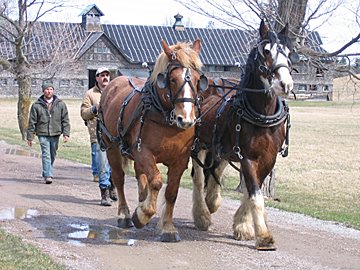
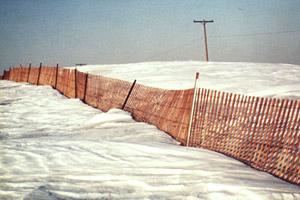
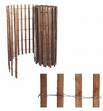
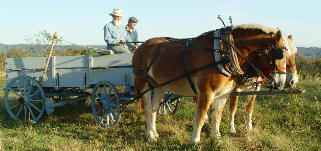
The other benefit is that if you can control where the snow drifts, you somewhat control where the snowmelt goes. The optimal condition is to have as much of the melt as possible go into the ground to replenish the springs, wells, and the water table in general. One means of doing this is by careful study and recording of the winter wind patterns and placement of "snow fencing" to try to control where the snow accumulates in the form of drifts. The way this fencing works is by causing a vacuum and backswirl effect, which causes the blowing snow to accumulate in piles on the downwind side of the fence. The top photo pair shows snow fence of the type we used back then and the resulting drifts. Although not taken here, the photo may well have been, as it shows drifts we would consider mid-winter size. The next shows installed fencing, the next the way it came in rolls. We needed the pastures and fields open in the spring and summer for grazing, hay, and crops. This meant the fences were installed each September/October before the first hard freeze hit and were removed, repaired, and stowed each spring as soon as the fields were dry enough to support a wooded-wheeled wagon. The next is an example of a horse collar and then a wagon very similar to those we used. Uncle R had this thing about auto-tired wagons being too much trouble with flats and all. The last is included for a twofold reason, to show horses in working harness and to show the amount of harness involved just to work the horses.(out of order, sorry)
One thing I couldn't find was an example of R's homemade "winter work-horse boots" as he called them. These were made of leather with inserts in the bottom that attached firmly to the winter shoes he either copied or designed himself. I just accepted them as normal to all horses in winter and never really thought about it until looking fruitlessy for an example photo. The bottoms were of very thick and rigid leather with short studs on the bottoms for grip on icy patches. These not only gave the horses good stability on the ice, but protected the hoofs and lower legs from constant contact with the deep snow to some extent. After one or two trips down a trail the snow would become fairly firmly packed until the next storm.
The weeks immediately following my arrival just happened to come at what R called the "slow season" when , other than routine milking, slaughtering, delivering, apple picking, hay shuffling, silo filling, etc, there was very little to do. So, we installed the snow fences according to R's pattern book and the predictions in R's weather "bibles", The Farmer's Almanac and The Old Farmer's Almanac. These are two separate publications, and R would sit evenings and average out what they, local papers, and the radio predicted, then arrive at his best guess for the days ahead. Surprisingly, it seemed to be pretty accurate, as I can remember very few times when we were caught unaware of a coming big weather event.
The day we were to start, I fed, watered, and hitched the big beasties to our old wagon and proceeded to the out-building where the fencing was stored to find, to my surprise, F waiting for me, sitting on one of the rolls of fence he'd wrestled from the shed. He told me where to park the wagon, which was totally unnecessary as the team had already stopped in the proper position for loading. This was my first confirmation of what I'd suspected for the few short days I'd been around the "Boys" as R and everyone referred to them. They were in charge of me. I might have done the hitching, feeding, etc, and even held the reins, but control was not to be mine until they trusted me not to screw things up for them. This worked out well over the first months, saving me and them injury and needless correcting of mistakes. Once again, looking back later, I realized this was R's way of training me to be useful without adding to his already full workload. In doing this he actually lessened the load on himself to the point that when I left he hired a local lad to live and work on the farm and perform most of the tasks I'd been doing. He couldn't afford to pay enough to get anyone to fully replace me, especially as I worked for room and board only. And the occasional evening use of the farm truck to chase girls in town.
As we finished (mostly F finished) loading the wagon as high as practical, R appeared as if by magic, carrying "field lunches" to substitute for breakfast, dinner, and provide a light pre-supper snack. Thus ready, we rode away from the pre-dawn light, heralding another sunny day, toward the western-most fields beyond the pond to lay the south row of fence on R's farm. By working steadily, except for taking on food or water in brief pauses, we managed to lay a full six wagonloads of the snow inhibiting wood and wire concoction. We finished as the last light of dusk lit my work unhitching the team. This continued after school and on weekends for almost three weeks before the last of the, by now despised, fence and metal poles found themselves in the proper areas for them to do their duty against the blowing snows. This also presaged my first venture into wagon repair and sleigh preparation.
As an added note, I decided one Saturday to try out my theory of my not being required to operate the team. To my utter astonishment, as soon as I lay down the traces they stopped, snorted, and refused to move until I repossessed the leads. Even though they knew exactly what to do without any guidance from me, they refused to abandon a fellow team member, no matter how inconsequential that member's part was. I like to think it offended their sense of symetry, in a horsey sort of way.
Not sure where this rambling tale will wind next as it seems to come to me at the oddest times. Sometimes a smell, a television image, or some other stimulis sparks the process. Sometimes it's more a result of my own daydreaming while avoiding gainful labor of any sort. Whatever does it, I've learned it's totally unpredictable, so we'll both be surprised I guess. Take care and stay happy.
Thoughts on "Our" First Real Team Job
As I've said in the previous entries, one of my first real "big" regular jobs was to tend to the horses, their stalls, and the "tack room". For those non-farm folk who may browse past here, "tack room" refers to where the reins, harnesses, collars, and related "horse & mule" gear was maintained and stored. Although I was assigned to maintain the tack, I soon realized this was nowhere near as daunting a task as
first it appeared. Mostly it involved cleaning, preserving, and doing minor repairs,
all of which took less and less time as my familiarity with the items and their varied uses increased. I found that a good system involving immediate cleaning, preserving, and storing of all gear used after each use, no matter how tired one happened to be or what time of day or night, was invaluable. A few minutes spent when tired lessened the backlog I faced when first presented with my new job. R always had a habit of saving it up and then spending one long session doing everything at once. This involved too much anticipation of long hours spent with leather goods to hold my interest as a viable way to go.
I guess I ought to explain my choice of accompanying photos before proceeding along with this entry. Where we live is somewhat famous for its occasionally harsh winters. By this, I mean temperatures that can reach -40F below Zero and can also involve fairly large quantities of snow, from first flurries in late September to last flurries around mid-April. This is both good and bad for farming that involves woodlots for added income, as the frozen ground and packable snow offer the opportunity to enter the woods and remove logs on a stable, slippery surface. This makes it ideal for working with horses to "twitch" the logs out a few at a time to where they can be transformed into easier to handle packages. Or, to where tackle can be used to hoist them aboard the truck for transport to the mills.
The other benefit is that if you can control where the snow drifts, you somewhat control where the snowmelt goes. The optimal condition is to have as much of the melt as possible go into the ground to replenish the springs, wells, and the water table in general. One means of doing this is by careful study and recording of the winter wind patterns and placement of "snow fencing" to try to control where the snow accumulates in the form of drifts. The way this fencing works is by causing a vacuum and backswirl effect, which causes the blowing snow to accumulate in piles on the downwind side of the fence. The top photo pair shows snow fence of the type we used back then and the resulting drifts. Although not taken here, the photo may well have been, as it shows drifts we would consider mid-winter size. The next shows installed fencing, the next the way it came in rolls. We needed the pastures and fields open in the spring and summer for grazing, hay, and crops. This meant the fences were installed each September/October before the first hard freeze hit and were removed, repaired, and stowed each spring as soon as the fields were dry enough to support a wooded-wheeled wagon. The next is an example of a horse collar and then a wagon very similar to those we used. Uncle R had this thing about auto-tired wagons being too much trouble with flats and all. The last is included for a twofold reason, to show horses in working harness and to show the amount of harness involved just to work the horses.(out of order, sorry)
One thing I couldn't find was an example of R's homemade "winter work-horse boots" as he called them. These were made of leather with inserts in the bottom that attached firmly to the winter shoes he either copied or designed himself. I just accepted them as normal to all horses in winter and never really thought about it until looking fruitlessy for an example photo. The bottoms were of very thick and rigid leather with short studs on the bottoms for grip on icy patches. These not only gave the horses good stability on the ice, but protected the hoofs and lower legs from constant contact with the deep snow to some extent. After one or two trips down a trail the snow would become fairly firmly packed until the next storm.
The weeks immediately following my arrival just happened to come at what R called the "slow season" when , other than routine milking, slaughtering, delivering, apple picking, hay shuffling, silo filling, etc, there was very little to do. So, we installed the snow fences according to R's pattern book and the predictions in R's weather "bibles", The Farmer's Almanac and The Old Farmer's Almanac. These are two separate publications, and R would sit evenings and average out what they, local papers, and the radio predicted, then arrive at his best guess for the days ahead. Surprisingly, it seemed to be pretty accurate, as I can remember very few times when we were caught unaware of a coming big weather event.
The day we were to start, I fed, watered, and hitched the big beasties to our old wagon and proceeded to the out-building where the fencing was stored to find, to my surprise, F waiting for me, sitting on one of the rolls of fence he'd wrestled from the shed. He told me where to park the wagon, which was totally unnecessary as the team had already stopped in the proper position for loading. This was my first confirmation of what I'd suspected for the few short days I'd been around the "Boys" as R and everyone referred to them. They were in charge of me. I might have done the hitching, feeding, etc, and even held the reins, but control was not to be mine until they trusted me not to screw things up for them. This worked out well over the first months, saving me and them injury and needless correcting of mistakes. Once again, looking back later, I realized this was R's way of training me to be useful without adding to his already full workload. In doing this he actually lessened the load on himself to the point that when I left he hired a local lad to live and work on the farm and perform most of the tasks I'd been doing. He couldn't afford to pay enough to get anyone to fully replace me, especially as I worked for room and board only. And the occasional evening use of the farm truck to chase girls in town.
As we finished (mostly F finished) loading the wagon as high as practical, R appeared as if by magic, carrying "field lunches" to substitute for breakfast, dinner, and provide a light pre-supper snack. Thus ready, we rode away from the pre-dawn light, heralding another sunny day, toward the western-most fields beyond the pond to lay the south row of fence on R's farm. By working steadily, except for taking on food or water in brief pauses, we managed to lay a full six wagonloads of the snow inhibiting wood and wire concoction. We finished as the last light of dusk lit my work unhitching the team. This continued after school and on weekends for almost three weeks before the last of the, by now despised, fence and metal poles found themselves in the proper areas for them to do their duty against the blowing snows. This also presaged my first venture into wagon repair and sleigh preparation.
As an added note, I decided one Saturday to try out my theory of my not being required to operate the team. To my utter astonishment, as soon as I lay down the traces they stopped, snorted, and refused to move until I repossessed the leads. Even though they knew exactly what to do without any guidance from me, they refused to abandon a fellow team member, no matter how inconsequential that member's part was. I like to think it offended their sense of symetry, in a horsey sort of way.
Not sure where this rambling tale will wind next as it seems to come to me at the oddest times. Sometimes a smell, a television image, or some other stimulis sparks the process. Sometimes it's more a result of my own daydreaming while avoiding gainful labor of any sort. Whatever does it, I've learned it's totally unpredictable, so we'll both be surprised I guess. Take care and stay happy.